Article: Adidas Teamgeist - The template that united the world
Adidas Teamgeist - The template that united the world
Some football shirts become iconic because of the players who wore them. Others are remembered for the tournaments they graced. Adidas' Teamgeist template achieved both. Introduced for the 2006 FIFA World Cup in Germany, it represented a complete departure from conventional football shirt design, ushering in a cleaner, more technical aesthetic that would define the second half of the decade.
Named after the official match ball of the tournament - "Teamgeist", German for "team spirit" - the template embodied Adidas' desire to blend innovation with simplicity. Where the early 2000s had been characterised by bold graphics, oversized collars and experimental panel designs, Teamgeist stripped everything back. The result was modern, elegant and unmistakably Adidas.

Its defining feature was the curved seam construction that flowed across the chest and shoulders. Rather than relying on printed graphics, the template used sculpted panelling to create its visual identity. Heat-bonded construction reduced the number of seams, improving comfort while producing a cleaner silhouette. Combined with lightweight ClimaCool fabrics, it was one of the most technically advanced shirts Adidas had ever produced.
The timing could not have been better.
Germany 2006 is widely regarded as one of the greatest World Cups of the modern era. Packed stadiums, warm summer evenings and a tournament full of memorable football created the perfect stage for Teamgeist to become part of football folklore. Every major Adidas nation carried the same unmistakable design language, creating a visual unity rarely seen at an international tournament.

Hosts Germany wore perhaps the definitive version. Crisp white with sweeping black shoulder panels, it was understated but instantly recognisable. Argentina's famous sky blue stripes curved elegantly through the template, while Spain's deep red shirt introduced subtle gold detailing that hinted at the success still to come.

Unlike many templates, Teamgeist respected the traditions of each nation. Instead of overwhelming shirts with aggressive graphics, Adidas allowed colours, crests and national identity to take centre stage. The template served as a framework rather than the focal point, something many collectors now point to as one of its greatest strengths.

Club football soon followed.
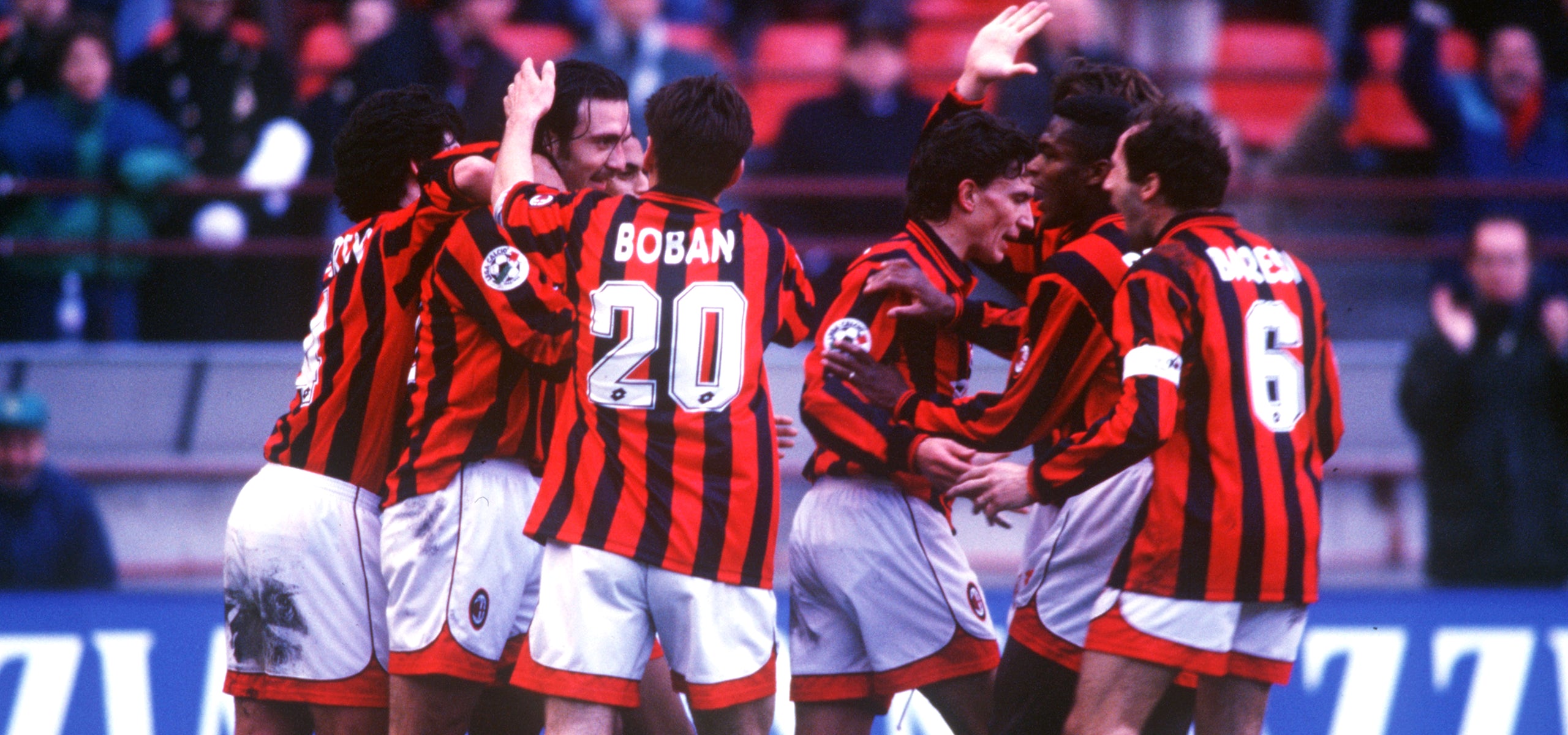
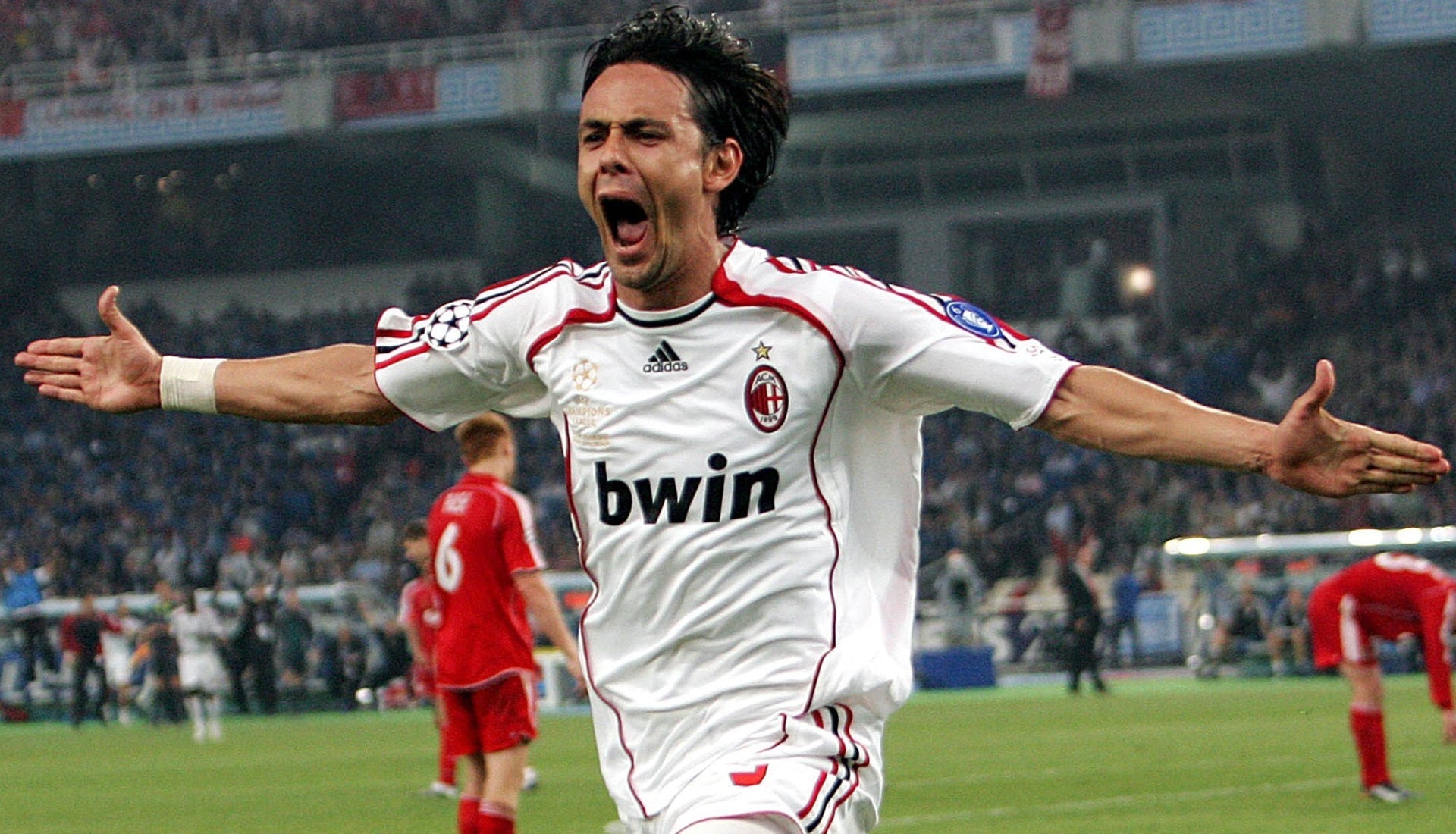
For the 2006-07 season, Adidas rolled the Teamgeist design out across its biggest clubs. Chelsea's royal blue edition became synonymous with José Mourinho's relentless winners, while Real Madrid's clean white interpretation perfectly suited the elegance of the Santiago Bernabéu. Bayern Munich, Liverpool, AC Milan and countless others adopted variations, proving the template could feel equally at home in domestic football.

The shirts also arrived during a golden period for Adidas athletes. Kaká glided across European pitches in Teamgeist-era Milan kits, Michael Ballack led Germany through a home World Cup, and Steven Gerrard continued to define Liverpool's midfield. Even when players weren't wearing the official Teamgeist boots or ball, the aesthetic tied the entire football landscape together.
Looking back, Teamgeist feels like the bridge between two eras. It retained enough personality to avoid becoming generic, yet introduced the minimalist philosophy that would influence football shirt design for years to come. Many of today's clean, performance-focused kits owe something to the principles Adidas established in 2006.
Collectors have recognised its significance. Original Teamgeist shirts, particularly player-spec versions and World Cup editions, remain highly sought after. They evoke memories of Philipp Lahm's opening goal against Costa Rica, Zinedine Zidane's quarter-final masterpiece against Brazil, and Italy lifting the World Cup in Berlin after one of football's most dramatic finals.
Few templates capture the feeling of a single summer quite like Teamgeist. It wasn't loud. It didn't need oversized graphics or dramatic flourishes.

Instead, it allowed the football to speak for itself - and in the unforgettable summer of 2006, that was more than enough.

Written by TSPN Calcio