Nike Total 90 - The template that defined mid-2000s football
There are football shirts that represent a club, and then there are football shirts that represent an era. Nike's Total 90 template, introduced ahead of the 2004-05 season, belongs firmly in the latter category. Even today, one glance at its distinctive circular chest graphic instantly transports supporters back to a time of frosted tips, F50 boots, iconic Champions League nights and a generation of players who seemed larger than life.
The Total 90 range had already become synonymous with performance footwear. Worn by the likes of Luís Figo, Roberto Carlos, Wayne Rooney and Ronaldinho, the Total 90 boot was one of Nike's flagship products. In 2004, the company decided its apparel should carry the same identity.

The result was unlike anything football had seen before.
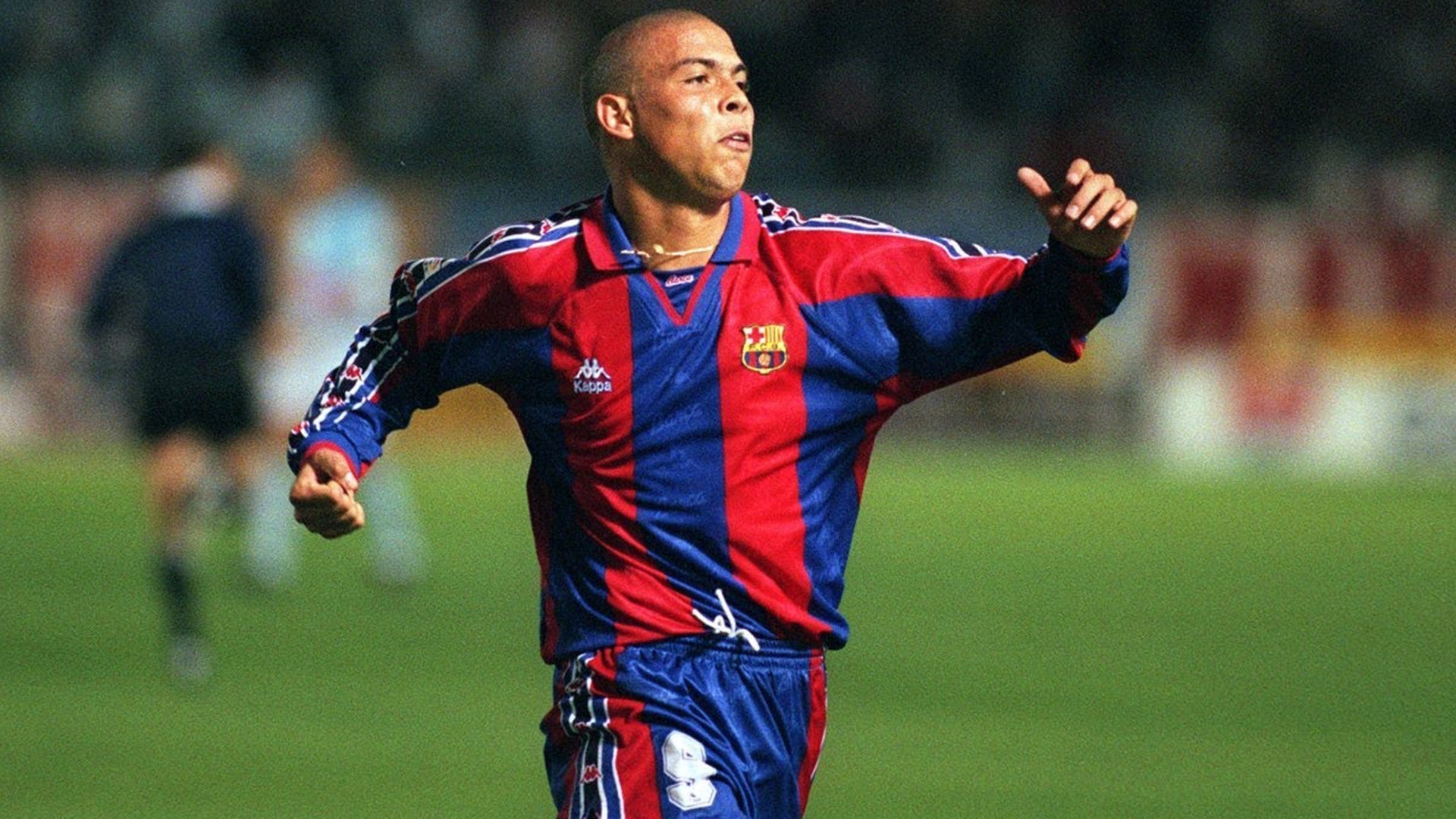
Several of Nike's biggest clubs adopted the template. Manchester United's 2004-06 home shirt paired the famous red with black detailing and remains one of the club's most sought-after modern classics. Arsenal's final Highbury home shirt in 2005-06 adapted the template in unforgettable burgundy, creating one of the most emotional kit releases of the Premier League era. Barcelona's vibrant blaugrana version and Internazionale's striking blue and black stripes demonstrated just how adaptable the design could be across completely different club identities.

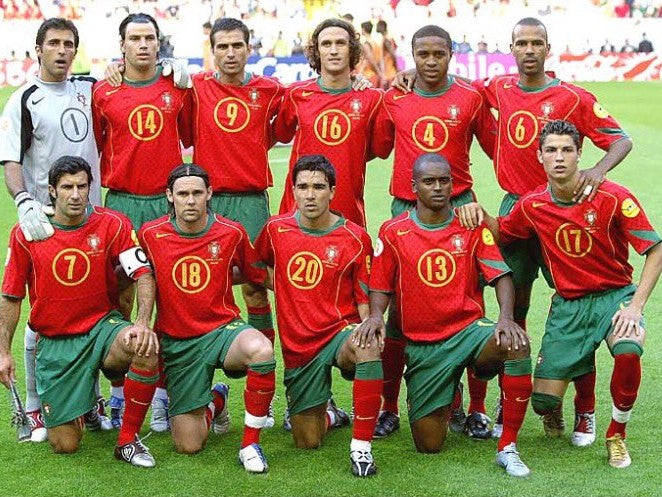
International football embraced it just as enthusiastically. Brazil wore a sunshine-yellow variation that perfectly complemented Ronaldinho at the height of his powers, while Portugal, the Netherlands and South Korea all received their own distinctive interpretations. At Euro 2004 and the 2006 World Cup qualifying campaign, the template became almost impossible to escape.

What made Total 90 so successful was its confidence. It wasn't trying to imitate classic football shirts, nor did it hide behind subtle details. It celebrated modernity. The bold chest motif became the visual centrepiece, while lightweight fabrics and athletic cuts reflected football's growing emphasis on speed and performance.
Looking back, the design also represents a fascinating snapshot of football's commercial evolution. Kit manufacturers were beginning to create strong visual identities that transcended individual clubs. Fans didn't simply recognise a Manchester United shirt or a Brazil shirt, they recognised a Total 90 shirt. Nike had successfully built a family of kits that shared a common DNA while allowing each club and nation to retain its own character.

Two decades later, nostalgia has only strengthened the template's reputation. Vintage collectors actively seek out original Total 90 shirts, while Nike itself has revived the branding through lifestyle footwear and apparel.
Few kit templates can claim to define an entire generation. Adidas' Equipment range achieved it in the 1990s, Umbro's diamond motifs became timeless, and Puma's King era left its own legacy. Nike's Total 90 deserves to stand comfortably alongside them.

Because for those who grew up watching football in the mid-2000s, Total 90 wasn't simply a template - it was the look of the game.

Written by TSPN Calcio