Broken Promises: The Rise and Fall of ITV Digital
The story of ITV Digital is a parable of English football at the turn of the millennium - ambition colliding with reality, money promised but never delivered, and clubs left to pick up the pieces.
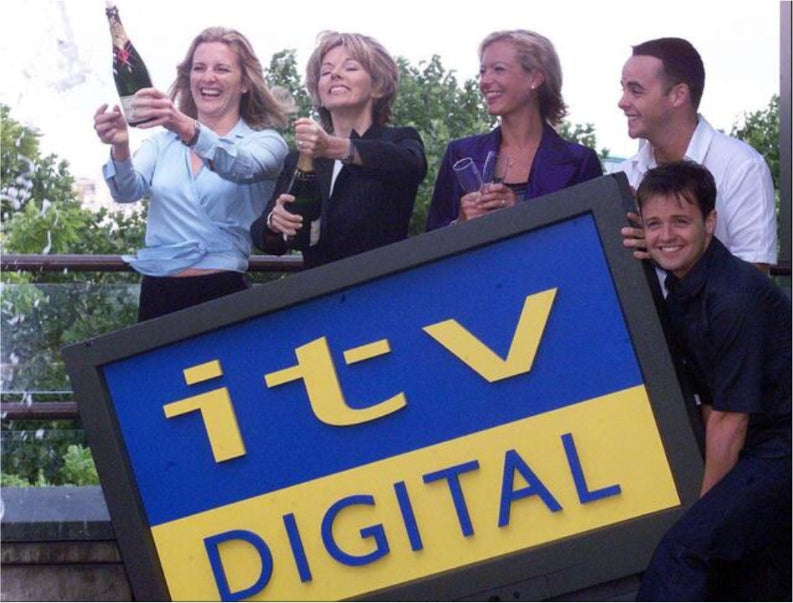
Launched in 1998 under the name ONdigital, the service was supposed to be a challenger to Sky’s growing stranglehold over televised sport. Backed by Granada and Carlton, two of ITV’s heavyweight regional broadcasters, the new platform promised viewers a subscription service that would mix sport, films and entertainment without the need for a satellite dish. Its calling card was football, and in 2000 that meant a bold deal with the Football League.
The contract was eye-watering: £315 million over three years, a sum that dwarfed anything the League’s 72 clubs had ever seen. For clubs outside the Premier League, it was meant to be a golden ticket. At a time when the top division was sprinting ahead financially thanks to Sky’s money, ITV Digital promised to narrow the gap. The deal was worth around £2 million per club per season – transformative figures for sides used to scraping by on gate receipts and modest commercial income.
The money arrived at a dangerous time. Clubs across the First, Second and Third Divisions borrowed against the incoming TV revenue, inflating wages, committing to long contracts and banking on guaranteed broadcast cash. For chairmen and managers it felt like a windfall that would finally allow them to compete, but beneath the surface ITV Digital itself was built on fragile ground.
Subscriber numbers lagged well behind expectations, hardware was clunky, piracy was rife, and Sky’s grip on the market never loosened. By early 2002, the cracks widened into a chasm. ITV Digital could not afford the instalments owed to the Football League. Negotiations to reduce the deal collapsed, the parent companies refused to underwrite the losses, and in March 2002 the service was placed into administration. By May it had ceased broadcasting entirely.

For the Football League, it was a catastrophe. Only £90 million of the promised £315 million had been paid, leaving a £180 million black hole. Clubs that had gambled on the TV windfall suddenly found themselves exposed. Some, like Bradford City and Barnsley, tumbled into administration. Others, such as Notts County and Bury, were forced into drastic cutbacks. The ripple effect across the divisions was severe - dozens of clubs teetered on the brink, staff were laid off, and communities felt the strain.
The collapse also deepened the Premier League-Football League divide. While the top flight’s partnership with Sky went from strength to strength, those below were left nursing the scars of broken promises. The ITV Digital debacle served as a brutal reminder that television money could be as much a curse as a blessing if built on unstable foundations.

Two decades on, the episode stands as a cautionary tale. The dream of television riches turned into a nightmare for English football’s heartlands, reshaping finances and fuelling distrust of broadcasters. For many lower-league clubs, survival in the early 2000s meant living with the fallout of a deal that never was.

Written by TSPN Calcio