How Admiral invented the replica football shirt and changed the game forever
Before the replica shirt became a global fashion statement, it was simply something supporters could only dream about. Until the early 1970s, football fans had little chance of owning the same shirt their heroes wore on a Saturday afternoon. Children could occasionally find simplified cotton versions, but adults were largely left to scarves, rosettes and programmes as expressions of allegiance. Then came Admiral, and football culture changed forever.
In 1973, the Leicestershire-based sportswear company did something revolutionary. Working alongside Don Revie's all-conquering Leeds United, Admiral produced the first commercially marketed replica football shirt that mirrored the design worn by the players. It wasn't just another piece of club merchandise, it was an invitation for supporters to become part of the team.

The concept seems obvious today. Every major club launches multiple shirts each season, while collectors hunt down vintage releases from decades past. But in the early 1970s, selling authentic-looking shirts directly to supporters was an entirely new business model. Admiral recognised that football supporters wanted more than souvenirs, they wanted identity. They wanted to wear the same colours as Billy Bremner, Norman Hunter and Johnny Giles.
Leeds United became the perfect launchpad. Fresh from league success and one of Europe's most recognisable sides, the club's striking Admiral kit featured bold trim, oversized shoulder flashes and distinctive branding that stood apart from the plain cotton shirts of previous generations. It was modern, colourful and unmistakably commercial, ushering football into a new era of design.

The success was immediate. Supporters queued to buy shirts that looked almost identical to those worn on the pitch, and clubs quickly realised there was significant revenue to be generated beyond matchday ticket sales. Replica shirts became an entirely new income stream, one that today is worth billions of pounds across the global game.
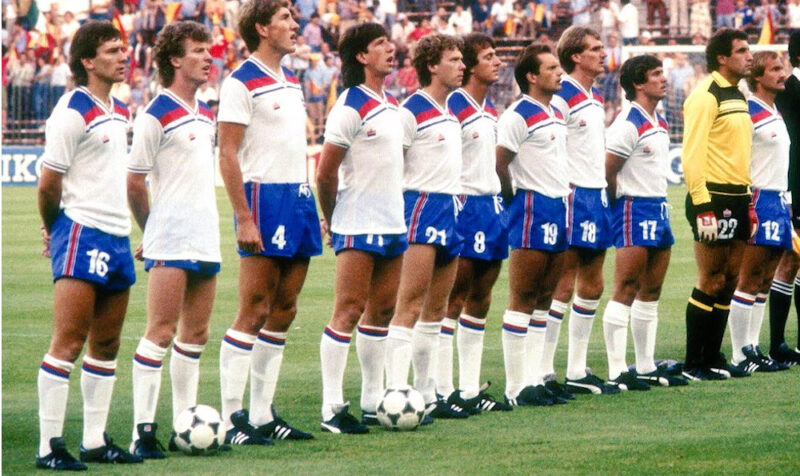
Admiral didn't stop with Leeds. The company soon supplied England, Manchester United, Coventry City, Southampton and dozens of other clubs and national teams. Their willingness to embrace bold graphics, vivid colours and innovative fabrics transformed football aesthetics throughout the 1970s and early 1980s. Many of those shirts are now regarded as timeless classics, prized by collectors for their originality and unmistakable style.

Perhaps Admiral's greatest achievement wasn't simply inventing the replica shirt market, it was changing what a football shirt represented. No longer was it just sporting equipment. It became a badge of belonging, a fashion statement, a treasured keepsake and, decades later, a collectible artefact carrying memories of seasons, players and moments frozen in time.
Every modern shirt release, from limited editions to anniversary remakes, owes something to Admiral's pioneering vision. The queues outside club shops, the annual launch videos and the thriving vintage shirt market all trace their roots back to a simple but groundbreaking idea introduced over fifty years ago - that supporters deserved to wear exactly what their heroes wore.

Without Admiral, football shirt culture as we know it may never have existed. Their innovation didn't just create a product. It created an industry, and forever changed the relationship between clubs and the people who fill their stands.

Written by TSPN Calcio