What if... Frank Lampard’s “Ghost Goal” was awarded in the World Cup?
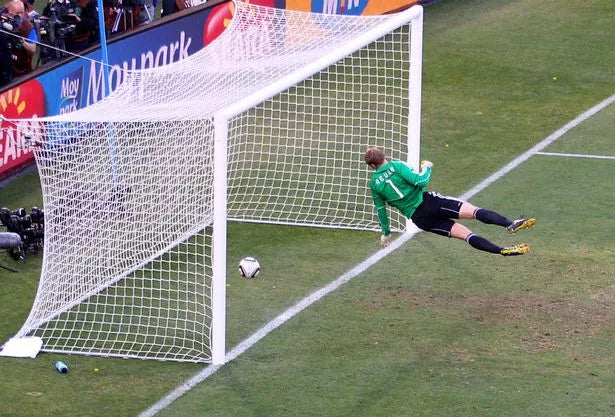
Few moments in football are discussed with the same mixture of awe, frustration and sheer disbelief as Frank Lampard’s disallowed goal against Germany in the 2010 World Cup. England were trailing 2-1 in the round of 16 in Johannesburg when Lampard unleashed a thunderbolt from outside the box that cannoned off the crossbar, bounced clearly over the goal line, and then out again. Despite all the evidence, the referee and his assistants failed to award the goal. England eventually lost 4-1, sending fans into a familiar spiral of national heartbreak. But what if FIFA had had the technology, or the refereeing luck, to give Lampard his goal?
At 2-2, the game would have been level, and suddenly the narrative of England’s World Cup campaign might have shifted entirely. Psychologically, Germany would have faced pressure they hadn’t experienced in the first half, while the Three Lions would have rediscovered the composure and hope that had seemed so elusive. For Lampard himself, the goal could have been more than a statistical correction; it might have marked the start of his redemption arc on the global stage, transforming him from a domestic hero into a national icon capable of World Cup glory.

The tactical consequences are equally fascinating. Joachim Löw’s Germany, built on disciplined pressing and lethal counter-attacks, might have been forced to rethink their approach, perhaps opening up more spaces for England’s wingers and strikers. Players like Steven Gerrard and Wayne Rooney could have exploited that shift, potentially converting what was a one-sided defeat into a historic upset. England reaching the quarter-finals - or beyond - would have rewritten the post-2010 narrative of their footballing “underachievement,” influencing managerial decisions, player legacies, and even the public’s trust in the FA.
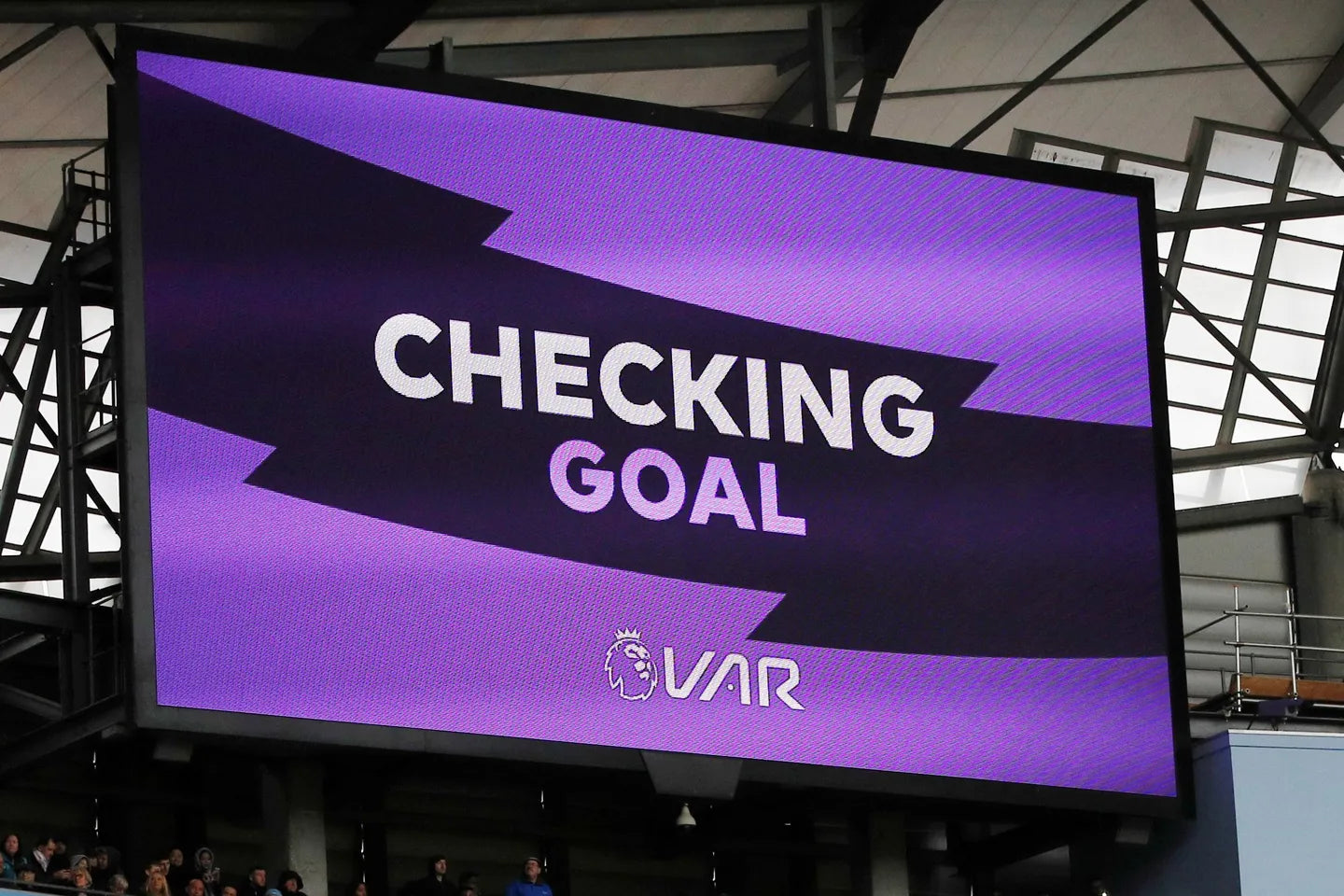
On a broader scale, FIFA’s reputation and the trajectory of goal-line technology would have been different. Lampard’s ghost goal is often cited as the catalyst for VAR and Hawk-Eye adoption in major tournaments. Had the goal been awarded, the immediate controversy might never have spurred the technological revolution in refereeing. Perhaps the 2014 and 2018 World Cups would have featured the same contentious calls that VAR eventually mitigated, leaving football’s ongoing debate over technology in a very different place.

Culturally, the moment might have shifted English football’s global image. Instead of another tale of “so close yet so far,” fans would remember Lampard’s goal as a symbol of fairness restored. Headlines would celebrate not just the shot, but the resilience and precision of an England side capable of matching the world’s elite. And for Lampard personally, the “ghost goal” would never haunt him - it would be a defining moment in a World Cup remembered as much for its triumphs as its heartbreaks.
Ultimately, this alternate timeline underlines the fragile balance of football. One goal, given or denied, can ripple through tactics, psychology, technology, and culture. Lampard’s strike against Germany wasn’t just a shot - it was a pivot point in a parallel footballing universe where England’s World Cup story could have been very different.

Written by TSPN Calcio