What if... Wimbledon had never relocated to Milton Keynes?
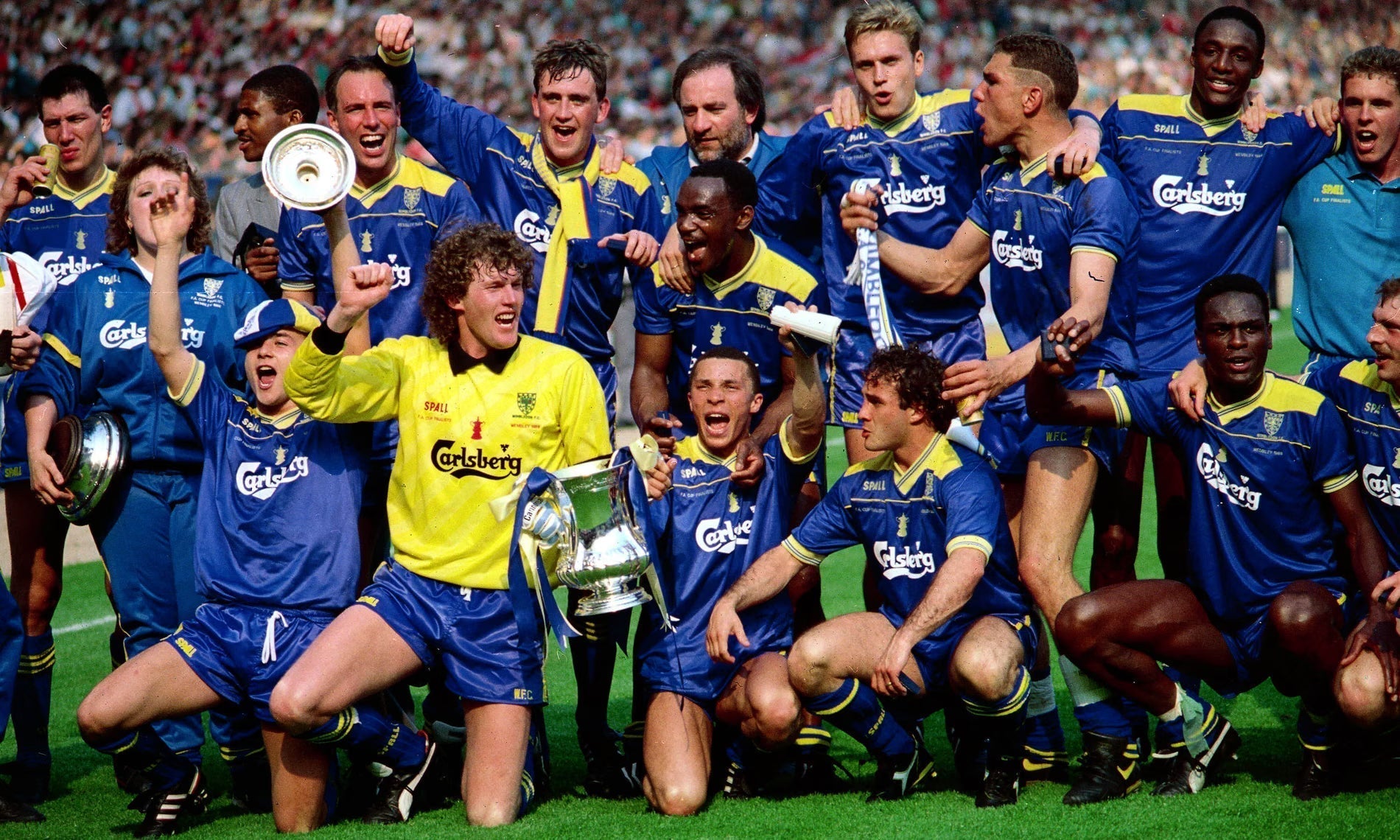
In 2003, Wimbledon FC’s controversial relocation to Milton Keynes set off one of the most bitter schisms in English football history. But what if that move had never happened? Imagine the plucky “Crazy Gang” spirit remaining in South London - a club that had fought against the odds in the top flight and shocked the world with its 1988 FA Cup triumph.
Without the move, Wimbledon would have remained rooted in its traditional fanbase, carrying on at Selhurst Park or perhaps forging a new stadium closer to their Croydon heartland. The most immediate effect would have been the absence of AFC Wimbledon, the phoenix club founded by disillusioned supporters in protest. There would have been no need for a grassroots fan uprising climbing the non-league pyramid; instead, the Crazy Gang ethos might have endured in the Football League, bridging old-school grit with modern football pragmatism.

Sporting trajectories would have shifted as well. In reality, MK Dons’ relocation left a vacuum in South London, creating room for Charlton, Crystal Palace, and Millwall to consolidate local support. Without Wimbledon’s departure, London’s football ecosystem might have been far more competitive at lower levels, with relegation and promotion battles taking on a distinct local flavour. Wimbledon might have become a League One mainstay or, with a dash of Crazy Gang magic, even a Championship contender - a club defined by resilience rather than relocation.
Financially, the club would have faced challenges. Wimbledon’s owners sought relocation to escape the limitations of Plough Lane’s small capacity and financial instability. Staying put could have forced an earlier embrace of community-led ownership models, partnerships, or stadium redevelopment plans - perhaps prefiguring the fan-centric models of clubs like Exeter City or Portsmouth. The financial pressures that led to MK Dons might have resulted in a more progressive approach to club management, making Wimbledon an early pioneer in sustainable English football governance.
Culturally, the impact would have been profound. The relocation remains a sore wound in football history, often cited as a cautionary tale of “franchising” in English sport. By never moving, Wimbledon could have maintained a sense of identity, continuity, and authenticity that modern football often sacrifices for commercial gain. South London might have retained a vibrant football hub with a unique ethos - chaotic, gritty, and beloved by locals rather than the anonymous narrative of MK Dons.

In this reality, MK Dons might never have existed, Wimbledon’s legacy would have been untarnished by relocation, and the story of English football would contain one less cautionary tale and one more enduring triumph of fan loyalty. The Crazy Gang, after all, thrived against all odds - and perhaps, if grounded in its rightful home, they might have shown the world that football isn’t just about trophies, it’s about belonging.

Written by TSPN Calcio