Article: What if... VAR had never been introduced to the Premier League?
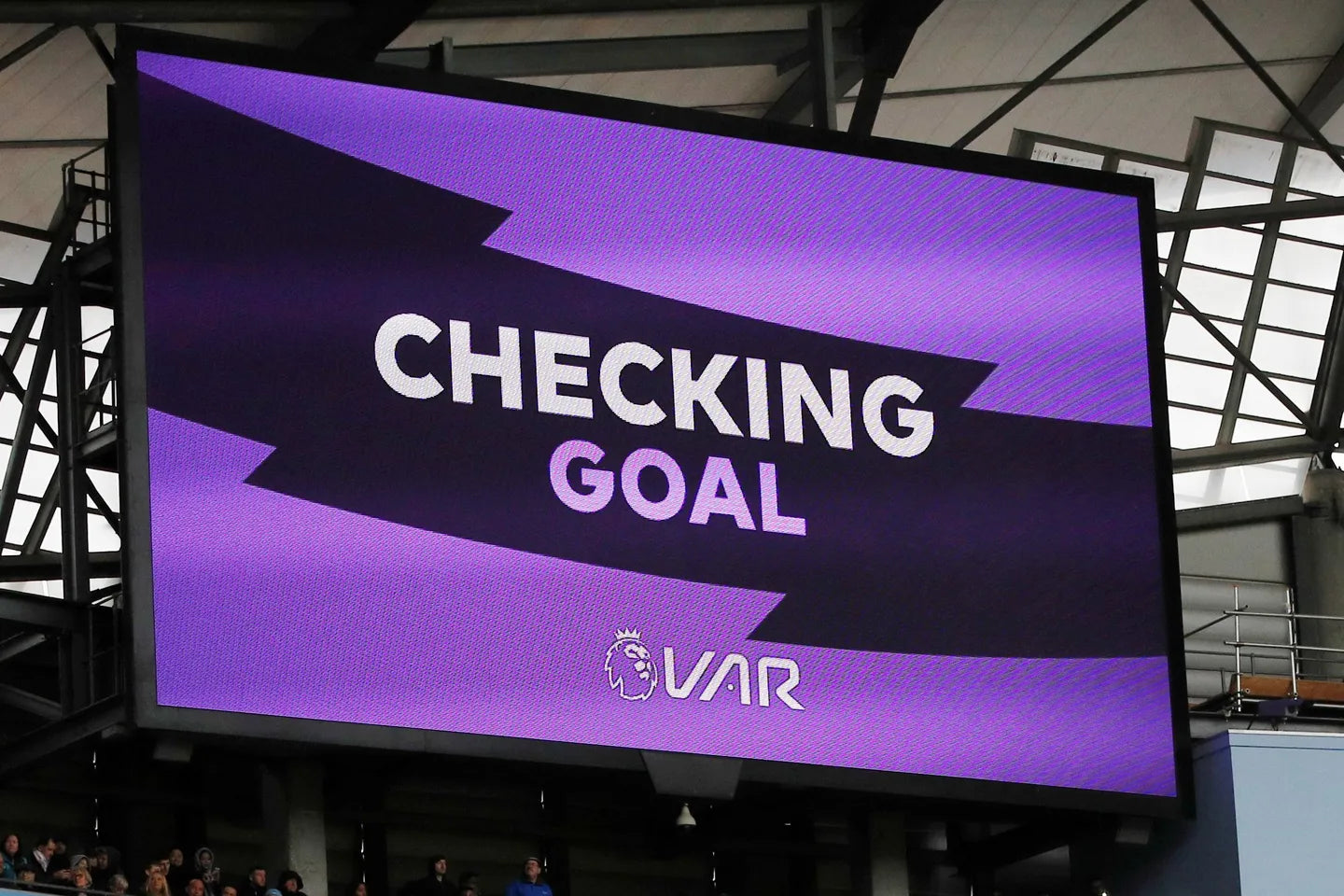
What if... VAR had never been introduced to the Premier League?
The first thing you notice in this alternate footballing universe is the noise.
Not the sanitised murmur of modern outrage, delayed by a referee’s finger pressed to an earpiece. Not the sterile pause before joy is either permitted or confiscated. No, this is raw noise. Immediate noise. Limbs in the stands, chaos on the touchline, and defenders desperately appealing to officials who have already pointed to the centre circle.
In this world, the Premier League never adopted VAR in 2019. The technology remained trapped in international tournaments and UEFA competitions, regarded in England with the same suspicion once reserved for artificial pitches and half-and-half scarves. Club executives worried it would fracture the emotional rhythm of the game. Supporters feared exactly what eventually happened elsewhere - that football would become less instinctive, less human.
So England said no.
At first, pundits called it reckless. Refereeing controversies still dominated Monday mornings. Offside goals still stood. Perfectly legitimate winners were still ruled out. Handballs remained maddeningly subjective. Yet something unexpected happened over time - supporters stopped expecting perfection.

Instead, they embraced football’s oldest truth: that injustice is part of the game’s folklore.
The absence of VAR transformed referees into central characters again. Figures like Michael Oliver and Anthony Taylor became closer to the old-school arbiters of the 1990s, simultaneously respected and furiously debated. Their decisions carried finality. Once the whistle blew, that was it. The argument moved to pubs, phone-ins and group chats, rather than being litigated frame-by-frame on social media.
And crucially, the Premier League preserved its pace.
Matches retained their breathlessness. Counter-attacks were not interrupted by forensic geometry. Stadiums did not hold their breath waiting for giant screens to confirm whether a striker’s shoulder hair had drifted offside. Goals remained sacred moments of spontaneity.

There are butterfly effects everywhere.
Liverpool F.C. perhaps never develop the same siege mentality that defined parts of the early VAR era. Jürgen Klopp still rails against fixture congestion and television scheduling, but his relationship with officiating never becomes quite so combustible. Meanwhile, Arsenal F.C. supporters continue to believe the establishment is against them, just as they always have, only now without slow-motion freeze frames to fuel the paranoia.
Some scandals become immortal.
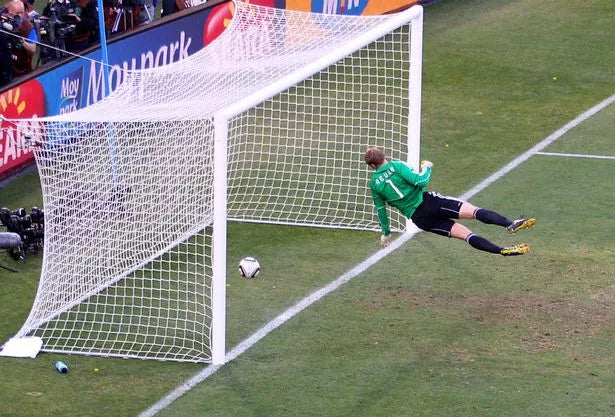
Harry Kane scores from an obvious offside position in a North London derby that effectively costs Arsenal a Champions League place. The image becomes part of Premier League mythology, replayed for decades alongside Frank Lampard's disallowed goal against Germany at the 2010 FIFA World Cup and Diego Maradona's Hand of God goal. Fans hate it, but they also treasure it. Controversy, after all, is football’s most renewable energy source.
Broadcasters adapt too. Without endless VAR delays to fill, co-commentators become storytellers again. Producers lean into atmosphere rather than technology. Refereeing debates remain fiery but strangely less toxic because ambiguity survives. Modern football lost something when every incident became theoretically solvable.

And perhaps that is the key difference in this imagined Premier League. Without VAR, football remains imperfect enough to feel alive.
Because supporters do not actually crave justice as much as they claim. They crave emotion. They crave memories. They crave moments that can be argued about for 30 years over warm lager and fading programmes.
In the no-VAR Premier League, tribalism still exists, outrage still burns, and referees still make catastrophic mistakes. But the game itself breathes more freely. Goals arrive without hesitation. Celebrations belong entirely to the crowd. The sport remains gloriously analogue in a digital age.
And somewhere, deep down, many supporters would probably accept the occasional injustice if it meant getting that feeling back.

Written by TSPN Calcio